Toutes les masques
 Masques originaux
 Masques édition spéciale
 Masques protecteurs pour cils
 Featherweight masks
 Hôtel Paradiso

 Disney-inspired


 Hyalo Silk Pillowcases
 Taies d'oreiller
 Couvertures lestées
 Lots
Lots
 Coffrets cadeaux
 Carte-cadeau
 Guide cadeaux
 Mariage
 Tous les accessoires de voyage
 Nécessaire
 Sac de week-end
 Pochettes de transport
 Casquettes
 Spray d'oreiller
 Bougie
 Soin du corps
 Supplements
 Chouchous


Why 8 hours of bad sleep is worse than 6 good ones
The number on your alarm means nothing
Eight hours sounds responsible. Eight hours sounds like someone who meal preps and takes their vitamins. But your skin doesn't care how long you were horizontal. It cares whether you actually slept. Spend those eight hours waking every 90 minutes or drifting in shallow, restless half-consciousness, and your body registers it as an interrupted night, not a full one. The clock said eight. Your skin got about four.
There's a window your skin is waiting for. Most people never open it.
Your skin has a strict itinerary for the night and it does not negotiate. Deep sleep triggers a surge in human growth hormone, a drop in cortisol, a peak in melatonin acting as an antioxidant, and increased blood flow delivering nutrients to skin cells. None of this happens in light sleep.
What actually shows up on your face
Cortisol stays elevated when you don't reach deep sleep, and elevated cortisol breaks down collagen and drives inflammation. Your skin barrier, which rebuilds itself overnight, gets an incomplete repair job, leaving skin drier and more reactive the next day. Fragmented sleep also raises blood sugar, accelerating glycation, which stiffens collagen fibres over time. The dark circles are the least of it, frankly. Those are just the ones your colleagues will catch.
Why quality sleep actually works differently
Sleep runs in 90-minute cycles. A solid six hours gives you four complete cycles, each one including the deep, restorative stages where the real biological work gets done. The night you were asleep by ten, feeling extremely virtuous, and then woke at midnight because your brain had decided to replay a conversation from a work Christmas party five years ago… that one probably did not count the way you think it did. Every interruption resets the cycle. Your skin, unfortunately, doesn’t care that your intentions were good.
This where Drowsy comes in
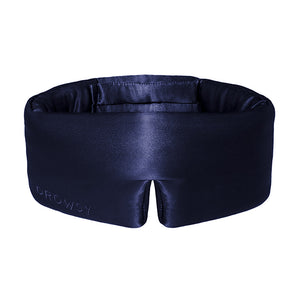
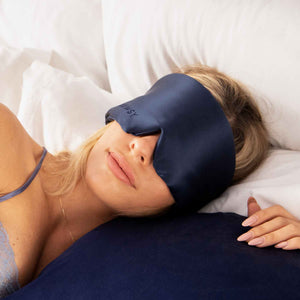
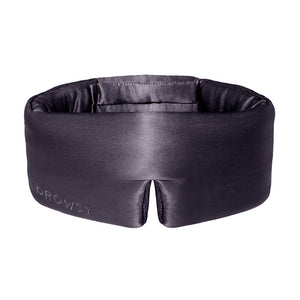
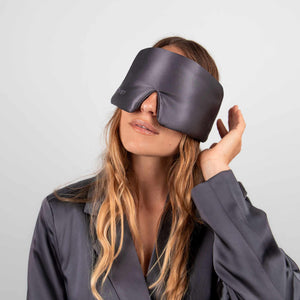
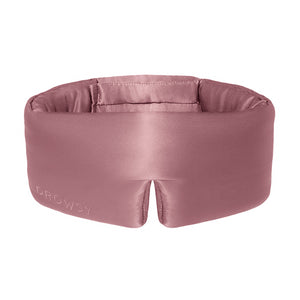
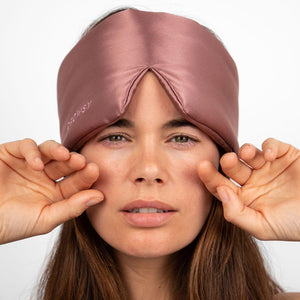
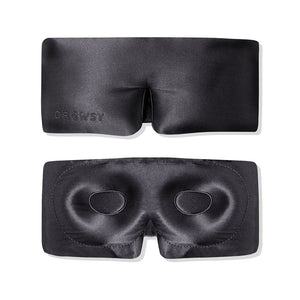
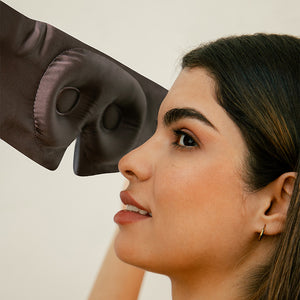
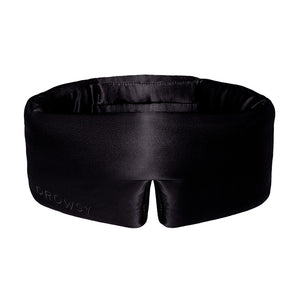
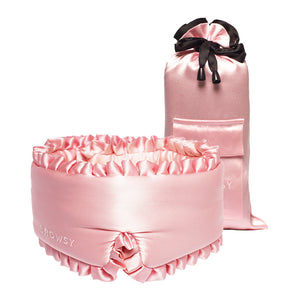
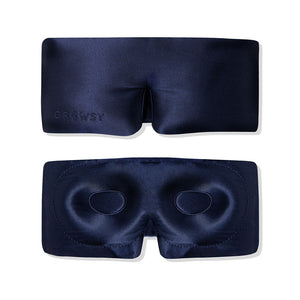
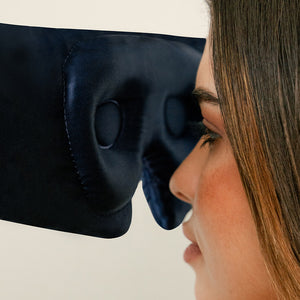
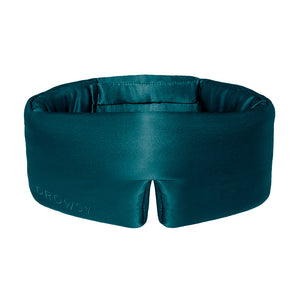
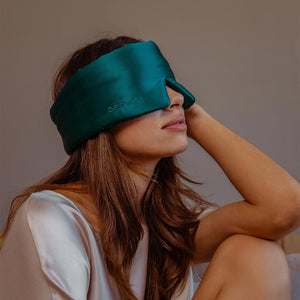
Our sleep mask block light completely, because even the ambient kind registers as a signal to your brain that the night isn't over yet. The mulberry silk pillowcase reduces friction against skin that's mid-repair and would really rather not be disturbed. The pillow spray, built around natural botanical oils, gives your nervous system a cue that the day is genuinely done. None of it replaces biology but Drowsy's job is to make uninterrupted, restorative sleep the path of least resistance. Your skin's job, once you're actually in it, is to do the rest.