All masks
 Original masks
 Special edition masks
 Eyelash-protecting masks
 Featherweight masks
 Hotel Paradiso
 Sleep and the City
 Disney-inspired
 Breakfast at Drowsy
 Swarovski® embellished
 Hyalo Silk Pillowcases
 Pillowcases
 Weighted blankets
 Bundles
 Gift sets
 Gift card
 Gift guide
 Bridal
 All travel accessories
 Necessaire
 Weekend bag
 Carry pouches
 Caps
Caps
 Pillow spray
 Candle
 Body care
 Supplements
 Scrunchies


Why the way you sleep changes how puffy you look in the morning
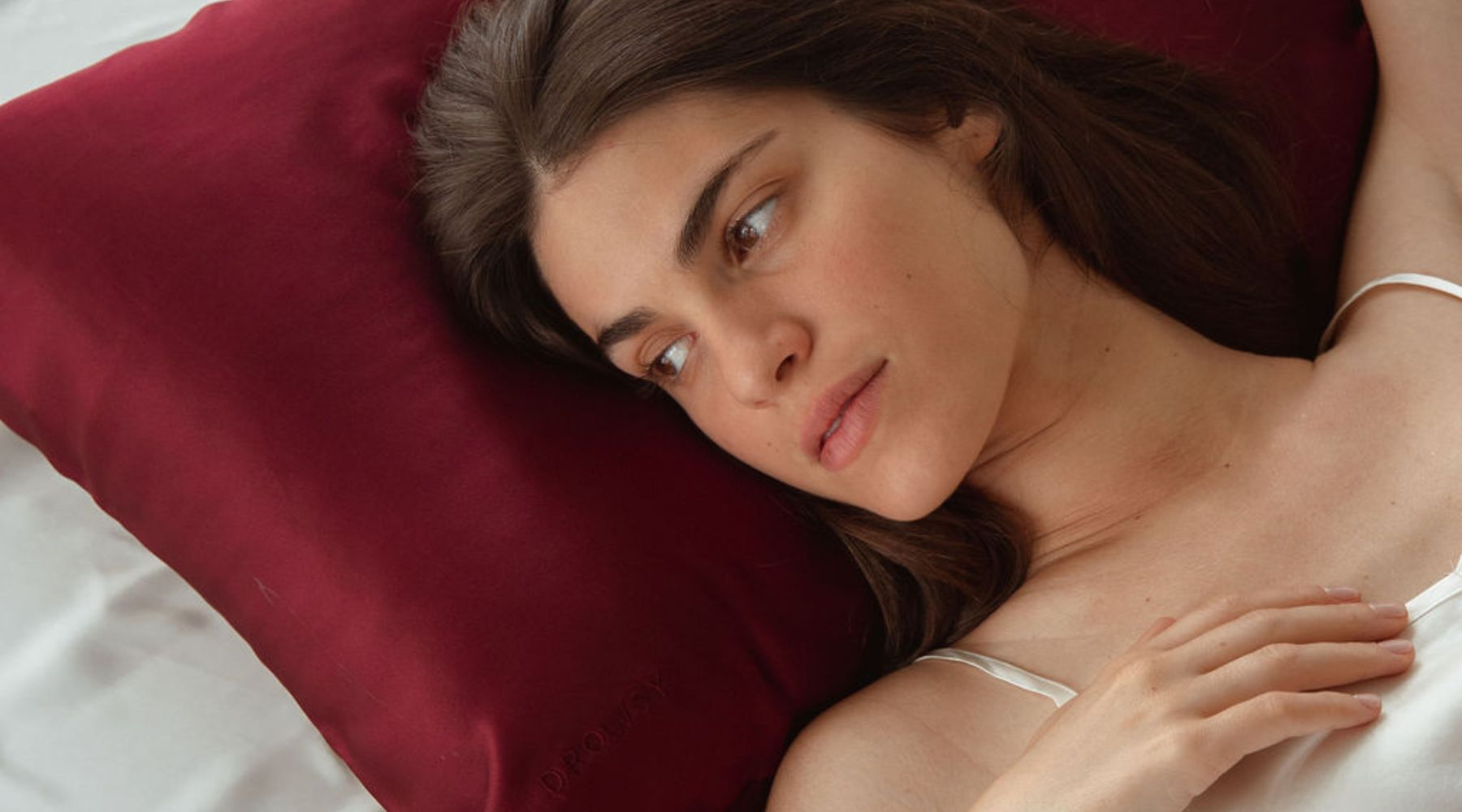
You’ve probably seen it. Some mornings, your eyes look fine. Other mornings, your under eyes look fuller, maybe slightly swollen. The way you sleep changes how puffy you look in the morning, and it’s more practical than you think.
When you lie down, fluid shifts. Gravity changes. Your body redistributes blood flow and excess fluid, and some of it settles in the face. The under-eye area has the thinnest skin and is the most delicate, so even small changes show up fast.
Puffy eyes in the morning are often linked to fluid retention. That includes water retention from a salty meal, lack of sleep, or even allergy symptoms. It’s rarely dramatic, but it’s visible.
What happens overnight
When you’re upright during the day, gravity helps fluid move through your lymphatic system. When you’re sleeping flat, that assistance drops. Lying flat can slow lymphatic drainage, which allows fluid to collect in facial tissues.
That fluid tends to settle in soft areas, especially under the eyes. The natural fat pads in that area already create volume. Add excess fluid, and you get visible puffiness or a puffy appearance.
Blood vessels also play a role. If circulation slows or if there’s mild inflammation, you may notice swollen eyes, dark circles, or even watery eyes in the morning. It’s usually temporary puffiness, but it can look worse than it feels.

Your sleeping position makes a difference
Sleeping flat can contribute to puffiness around the eyes in the morning. Fluid gets redistributed and settles in your face when you lie down, especially if your head stays level with your body.
Sleeping on your back with your head slightly raised tends to help. An extra pillow can encourage gravity to assist fluid drainage from the face – even a small lift can reduce puffiness for some people.
Stomach sleeping is often the least helpful position for facial puffiness. Pressing your face into the pillow can encourage fluid to pool under the eyes. Side sleeping can cause uneven under-eye swelling, where one side looks more swollen than the other.
Silk pillowcases can reduce friction on the skin. They may help with sleep creases and support skin health. But they don’t prevent fluid pooling. Position matters more here.
Salt, hydration, and your diet
If you eat salty snacks or a salty meal before bed, you may notice puffy eyes the next day. Too much sodium encourages the body to retain water. That water retention often shows up as under-eye bags or face puffiness.
High salt intake from processed foods adds up. Too much salt late at night makes morning puffiness more likely. Reducing salty foods, especially in the evening, can make a significant difference over time.
And dehydration plays a part, too. When you don’t stay hydrated, your body may hold onto fluids. It sounds backward, but drinking enough water during the day can help reduce puffiness.
Poor diet and alcohol can also affect fluid retention. It's about small shifts you can do in salt intake and hydration that often improve how your eyes look in the morning.

Sleep quality matters more than you think
Lack of sleep affects more than how tired you feel. Poor sleep habits and irregular sleep patterns can influence blood flow and fluid balance. That can make tired eyes and under-eye swelling more noticeable.
Quality sleep supports overall skin health. When you get enough sleep, the under-eye area tends to look calmer. When you don’t, puffiness and dark circles stand out more.
Creating a steady bedtime routine helps. Dim lights, limit screens, and give yourself time to wind down. Better sleep patterns often reduce morning puffiness without adding another product to your skincare routine.
Allergies and environmental triggers
Sometimes puffiness isn’t about sleep position at all. Seasonal allergies, hay fever, dust mites, pet dander, and even sinus infections can trigger swelling around the eyes.
Allergy symptoms can slow lymphatic drainage and increase inflammation. That can lead to swollen eyes, watery eyes, and visible puffiness. If this sounds familiar, washing bedding regularly and using an air purifier may help.
Chronic puffiness with other symptoms can point to an underlying cause. Genetics and the ageing process also affect the under-eye area. As delicate skin gets thinner and natural fat pads shift, eye bags can look more pronounced.
What you can do in the morning
If you wake up with puffy eyes, cooling helps. A cold compress or cool compress can temporarily shrink blood vessels and reduce puffiness. Splashing cold water works too.
You can keep a cold spoon in the fridge overnight, use chilled cucumber slices, or place cooled tea bags over the eyes. Cooling eye patches stored in the fridge overnight can also help awaken tired eyes.
An eye cream applied gently with your ring finger can support hydration. Ingredients like hyaluronic acid attract moisture. Some formulas include vitamin C or caffeine to brighten dark circles and soften the look of under-eye bags.
You can also support lymphatic drainage with light massage or tools during your skincare routine. Gua sha, gentle tapping, and consistent habits often calm inflammation over time. It won’t change genetics or the ageing process, but it can reduce temporary puffiness.
The part people overlook
Genetics play a role. Some people are more prone to under-eye swelling, even with perfect sleep patterns. Ageing can make the under-eyes thinner, which makes fluid shifts more visible.
But small changes still help. Sleeping with your head slightly elevated, reducing salt intake, staying hydrated, and aiming for quality sleep can reduce morning puffiness.
The way you sleep changes how puffy you look in the morning because fluid moves when your body is horizontal. Adjust your position, support your lymphatic system, and give your body enough sleep. For many people, that alone softens the puffy face.