All masks
 Original masks
 Special edition masks
 Eyelash-protecting masks
 Featherweight masks
 Hotel Paradiso
 Sleep and the City
 Disney-inspired
 Breakfast at Drowsy
 Swarovski® embellished
 Hyalo Silk Pillowcases
 Pillowcases
 Weighted blankets
 Bundles
 Gift sets
 Gift card
 Gift guide
 Bridal
 All travel accessories
 Necessaire
 Weekend bag
 Carry pouches
 Caps
Caps
 Pillow spray
 Candle
 Body care
 Supplements
 Scrunchies


How to cut down on evening stimulation so you drift off sooner
The problem with modern evenings is that we're asking our bodies to switch from high alert to deep sleep in about five minutes. We're working right up until bedtime, scrolling through phones, thinking about tomorrow's stressful tasks. Then we wonder why we're lying awake at midnight, unable to drift off or stay asleep. Your nervous system hasn't received the signal that rest is coming. For quality sleep and a restful night, you need to reduce evening stimulation hours before bed.
Apply the 3-2-1 method as your foundation
The 3-2-1 bedtime method is straightforward and actually works because it's realistic. Stop heavy meals or alcohol three hours before bed. Stop work or mentally taxing tasks two hours prior. Turn off screens one hour before sleep. This is how you prepare your body for the night ahead.
Your core body temperature needs to drop for quality sleep and deep sleep to happen. Heavy meals keep your body engaged in digestion. Work and stress keep your mind spinning, raising stress levels. Screens expose you to blue light, which tells your brain it's still daytime and suppresses melatonin production.
When you do all three things consistently, your nervous system recognises that winding down is happening. You're preparing your body for sleep through deliberate action, not trying to force sleep when you're still overstimulated.

Limit blue light to protect your sleep-wake cycle
Blue light from phones, laptops, and televisions interferes with melatonin production and your circadian rhythm. Your eyes send a signal that says "it's still daytime," and your brain believes it. So even if you feel tired, your body isn't actually preparing for nighttime sleep because it thinks it needs to stay alert. This is why so many people struggle with trouble falling asleep or difficulty falling asleep even when exhausted.
The one-hour rule is simple: no screens at least 60 minutes before bed. Put the phone away entirely and do something else for that full hour. This changes everything: you fall asleep quickly, your sleep stages progress naturally, and you drift off into deep sleep more easily.
Practice progressive muscle relaxation and deep breathing techniques
Progressive muscle relaxation teaches your nervous system how to relax. Systematically tense and release muscle groups from your feet up through your body. Hold each group tight for five seconds, then release. This teaches your body what deep relaxation feels like. Spend 10 to 15 minutes on this practice, and your heart rate slows naturally, stress levels drop, and you feel tension physically leaving your body.
Deep breathing exercises have the same powerful effect. Four counts in, hold for four, four counts out. Do this ten times, and you're activating your parasympathetic nervous system, the opposite of fight-or-flight mode. Your body settles, which helps you fall asleep faster and achieve better sleep quality.
Create an evening routine to signal wind-down
Your bedtime routine signals that rest is approaching. A warm bath or hot bath about an hour before bed works because the drop in core body temperature tells your body it's time for sleep. Add a few drops of calming essential oil if that helps you relax. Calming music, a white noise machine, gentle yoga, or journaling helps, especially writing down worries so your brain stops trying to remember them.
Do roughly the same things in the same order most nights. Your body eventually learns the pattern. A peaceful setting in your bedroom becomes your safe corner. Relaxing music signals to your mind that this is a calming space meant for rest.
Optimise your sleep environment for quality rest
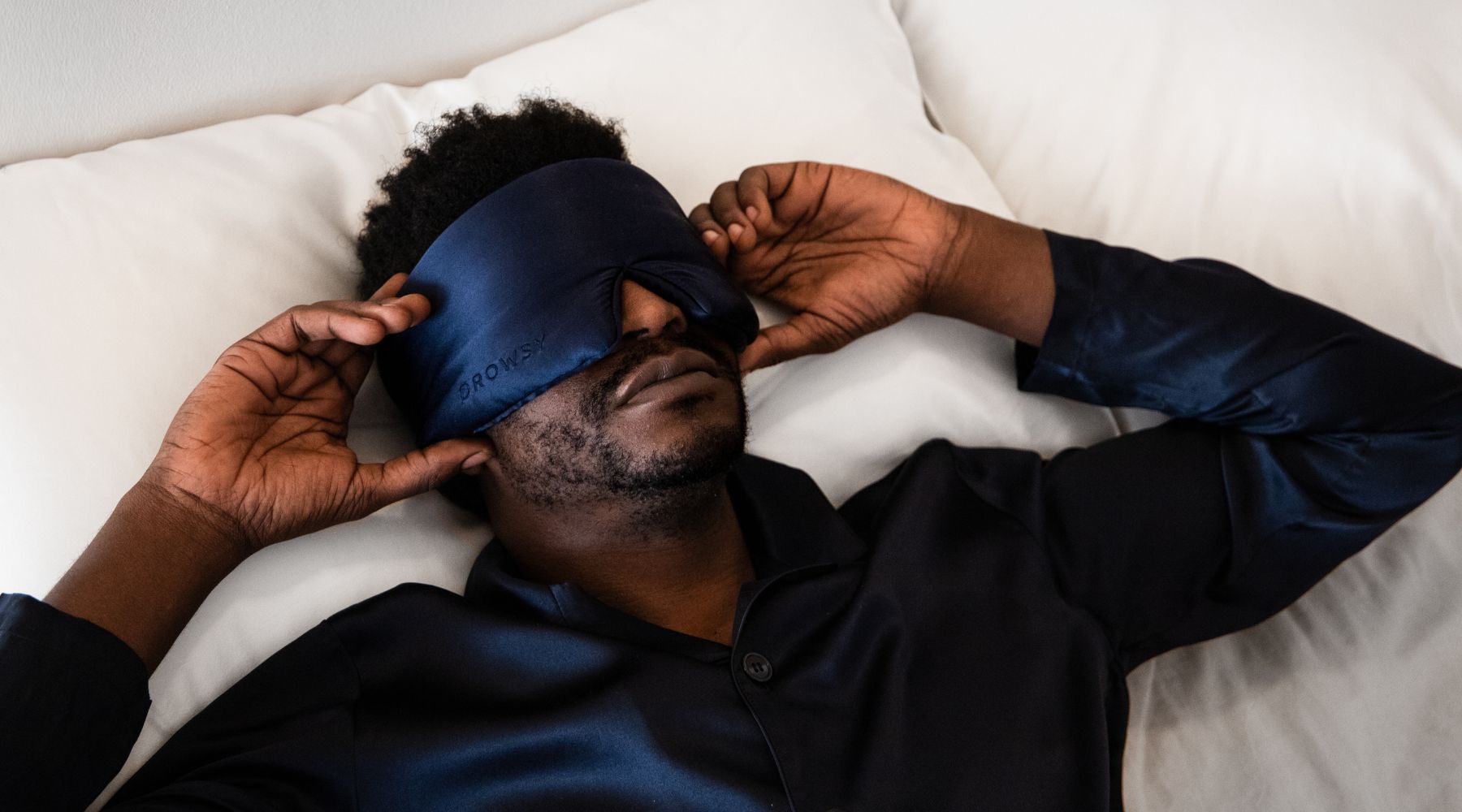
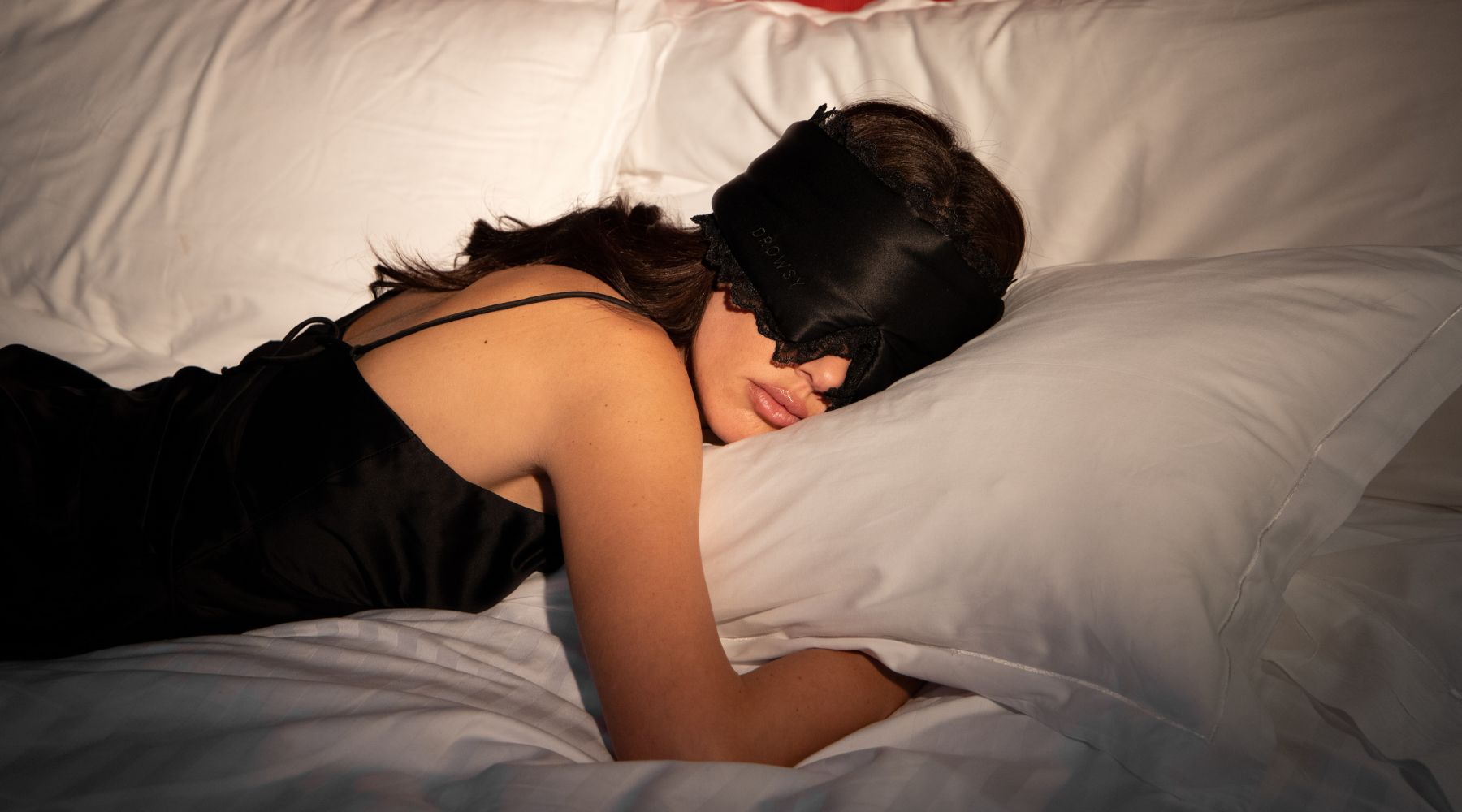
Your bedroom should be your sleep sanctuary. Keep it cool (between 60 and 67 degrees). Use blackout curtains or a sleep mask. Darkness signals your body to produce melatonin. A white noise machine masks disruptive sounds. A light snack like a banana can help if hungry, but nothing heavy. A tidy, peaceful setting signals relaxation and supports better sleep efficiency.

Leave bed if you're lying awake after 20 minutes
If you've done all this and you're still lying awake after about 20 minutes, get out of bed and do something relaxing in another room. Read, listen to relaxing music, or journal. Don't lie there, willing yourself to sleep, because your brain learns that bed equals difficulty falling asleep. Once you feel sleepy, return and drift off naturally.
Prioritise quality sleep through consistency
Sleep is essential for physical and mental health. You won't experience perfect sleep patterns in one night and have all your trouble falling asleep resolved forever. But consistently cutting down on evening stimulation rewires how your body responds at night.
You experience more restorative sleep and deeper sleep stages. Your sleep efficiency improves, and you stay asleep longer and wake up genuinely rested. This is how you transition from poor sleep and sleep deprivation to quality sleep and restful nights.