All masks
 Original masks
 Special edition masks
 Eyelash-protecting masks
 Featherweight masks
 Hotel Paradiso
 Sleep and the City
 Disney-inspired
 Breakfast at Drowsy
 Swarovski® embellished
 Hyalo Silk Pillowcases
 Pillowcases
 Weighted blankets
 Bundles
 Gift sets
 Gift card
 Gift guide
 Bridal
 All travel accessories
 Necessaire
 Weekend bag
 Carry pouches
 Caps
Caps
 Pillow spray
 Candle
 Body care
 Supplements
 Scrunchies


How to prevent eye-area creases without forcing back sleeping
Not everyone can sleep on their back. If you're a side sleeper, you've probably heard that back sleeping is the only way to prevent eye area creases. That's not true. There are plenty of preventative measures you can take without changing how you sleep.
The delicate skin barrier around your eyes needs consistent care. Here's how to protect this thin skin and help support a more youthful appearance.
Understand what causes eye wrinkles
Eye area creases develop from multiple lifestyle factors. The skin around your eyes is some of the thinnest on your body. This delicate eye area shows physical signs of ageing earlier.
Frequent sun exposure is one of the biggest contributors. UV rays can affect skin elasticity. When your skin loses elasticity, it becomes prone to fine lines and wrinkles. Sun damage can contribute to the appearance of crows feet at the outer corners.
Repetitive facial expressions and muscle movement also create lines. Squinting, smiling, and applying makeup can contribute to static lines. Naturally, the wrinkles caused by facial expressions are normal.
Other factors include poor diet, excessive alcohol consumption, smoking, and not getting enough sleep. A balanced diet and hydration can help support overall skin health.

Create a targeted skincare routine
A consistent skincare routine is key to addressing the appearance of fine lines. The delicate eye area needs gentle, hydrating products designed for thin skin.
Start with a dedicated eye cream or eye serum applied morning and night. Look for hyaluronic acid, which can help the skin retain moisture and appear plumper. Products with vitamin C may help brighten dark circles and support a more radiant complexion.
Vitamin A derivatives applied at night are widely used in eye wrinkle treatment. Always patch test first, as eye skin can be sensitive. Apply eye cream using your ring finger for gentlest pressure. Tap the product gently – never pull or tug. This may help minimize unnecessary stretching.
Don't forget wearing SPF daily. Broad-spectrum sunscreen can help protect against UV rays that contribute to premature skin ageing. Wearing SPF is one of the most effective preventative measures.
Adjust how you sleep
If you can't sleep on your back, adjust your setup. Invest in a silk or satin pillowcase. These smooth fabrics create less friction compared to cotton, which may help minimize sleep creases.
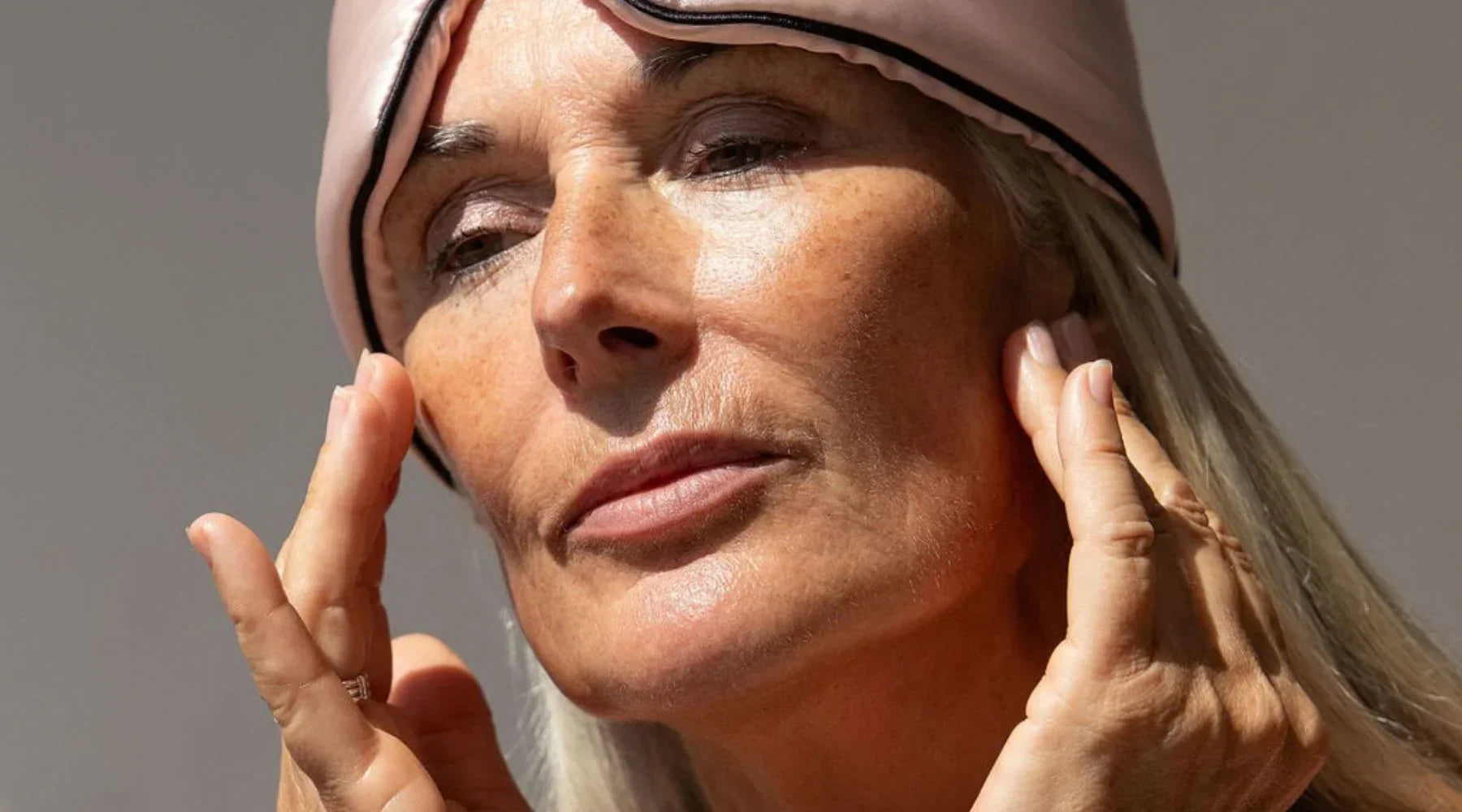
Silk pillowcases let your face glide rather than bunching up delicate skin. This can help support your skin whilst you sleep in your preferred position. For added protection, consider using a silk sleep mask – the smooth fabric sits gently against the delicate eye area without creating pressure or friction that cotton alternatives might cause.
Consider elevating your head slightly. This may help reduce puffiness under eyes. Don't elevate so much that your neck bends uncomfortably. Contoured pillows can also be helpful as they keep pressure off your face.
Support your skin from within
External skin care matters, but so do lifestyle changes. Drinking at least 8 glasses of water daily can help maintain skin hydration. When your skin retains moisture, it appears smoother.
A balanced diet rich in antioxidants can help support healthy skin. Foods containing vitamins C, A, and E may support your skin's appearance. Omega-3 fatty acids can help support overall skin health.
Getting enough sleep (7 to 9 hours) matters regardless of your sleep position. Poor sleep quality can contribute to tired skin and make fine lines more noticeable. Limit excessive alcohol consumption and avoid smoking. Both can affect skin tone and contribute to premature ageing.
Consider additional treatments
Several non surgical treatments can help address the appearance of eye area creases. Gentle facial massage using cooling gels or tools may help support blood flow. Some use Gua Sha tools or fingertip massage which may help with puffiness.
Chemical peels performed by qualified professionals can help with skin texture and tone. These may show results over time. Facial treatments like microneedling use tiny needles that may encourage the skin's natural processes. These minimally invasive procedures should only be performed by trained professionals.
More intensive options include injectable treatments that temporarily relax facial muscles, which can help reduce the appearance of lines. Dermal fillers can also help plump the appearance temporarily. Discuss these with a qualified practitioner.

Build consistency
The key to results is consistency. A simple routine followed daily works better than an elaborate one you abandon.
-
Morning: gentle cleanser, eye serum or cream, moisturiser, SPF.
-
Evening: gentle cleanser, eye treatment product, dedicated eye cream.
-
Once or twice weekly, consider gentle exfoliation for the eye area. This can help promote smoother skin texture.
-
You'll typically see visible changes after 4 to 12 weeks. Patience matters.
The realistic approach
Preventing eye area creases without back sleeping requires accepting that some lines are natural. Your facial structure, genetics, and expressions all play a role.
The goal isn't eliminating every fine line but maintaining healthy skin and supporting a youthful appearance. Focus on what you control: consistent skincare routine, sun protection, lifestyle factors, and quality products.
You don't need to force yourself into an uncomfortable sleep position. The delicate eye area deserves attention, but not perfection. Take care of your skin, protect it from sun exposure, maintain a healthy lifestyle, and accept that some lines tell the story of your expressions.