


 All masks
 Original masks
 Special edition masks
 Eyelash-protecting masks
 Featherweight masks
 Sleep and the City
 Breakfast at Drowsy
 Pillowcases
 Weighted blankets
 Bundles
 Gift sets
 Gift card
 Gift guide
 Bridal
 All travel accessories
 Necessaire
 Weekend bag
 Carry pouches
 Caps
Caps
 Pillow spray
 Candle
 Body care
 Supplements
 Scrunchies

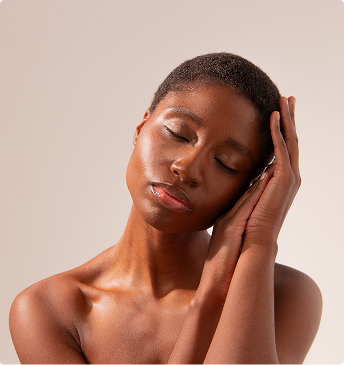
What actually makes your skin look tired after too little sleep
You know the look. That unmistakable too-little-sleep face staring back after pulling an all-nighter. Dark circles, puffy eyes, and skin that looks greyer than yesterday. But what's actually happening when sleep deprivation shows up on your face?
It's not just about looking tired. Lack of sleep genuinely affects face perception and social appeal. One bad night's sleep can noticeably change your facial appearance.
Your face just looks different
After insufficient sleep, your skin tone changes. You might notice paler skin or dullness. The tired-looking skin affects your complexion. Dark circles under your eyes become more prominent. The under-eye area looks shadowy. Puffy eyes add to the effect.
Fine lines become more noticeable. Lines and wrinkles that barely showed yesterday suddenly look deeper. Crow's feet, frown lines – they all seem more pronounced when you're sleep-deprived. Your upper eyelids might look heavier, too. The eye area just looks tired.

The telltale signs
Social perception changes when you look tired. Studies show that people judge sleep-deprived faces as less attractive and less healthy. After one night of poor sleep, others can spot the telltale signs. Your facial appearance communicates fatigue. The tired eyes give it away, then the dull skin tone.
Why it happens
When you don't get a full night's sleep, your body doesn't complete its usual restoration processes, and your skin barrier doesn't function as well. This can affect how hydrated your skin appears. Poor sleep can contribute to fluid retention, which is why puffy eyes happen. When fluid builds up overnight, it shows in the delicate eye area.
Stress from lack of sleep can affect your overall appearance. There are many health benefits to proper sleep, and your face is one visible indicator. Your skin loses moisture more easily when you're sleep-deprived, which leads to dull skin and a lack of radiance. The skin renewal that normally happens while you sleep gets interrupted.
It's not just one bad night
One all-nighter makes you look rough. But chronic sleep deprivation? That's when you see longer-term changes. Regular poor sleep can contribute to the appearance of premature ageing. Sagging skin becomes more noticeable. Fine lines start looking permanent. The tired skin appearance sticks around.
Create an environment for better sleep
If you want to avoid that tired face, start with your sleep environment. A good sleep environment makes it easier to fall asleep and stay asleep.
-
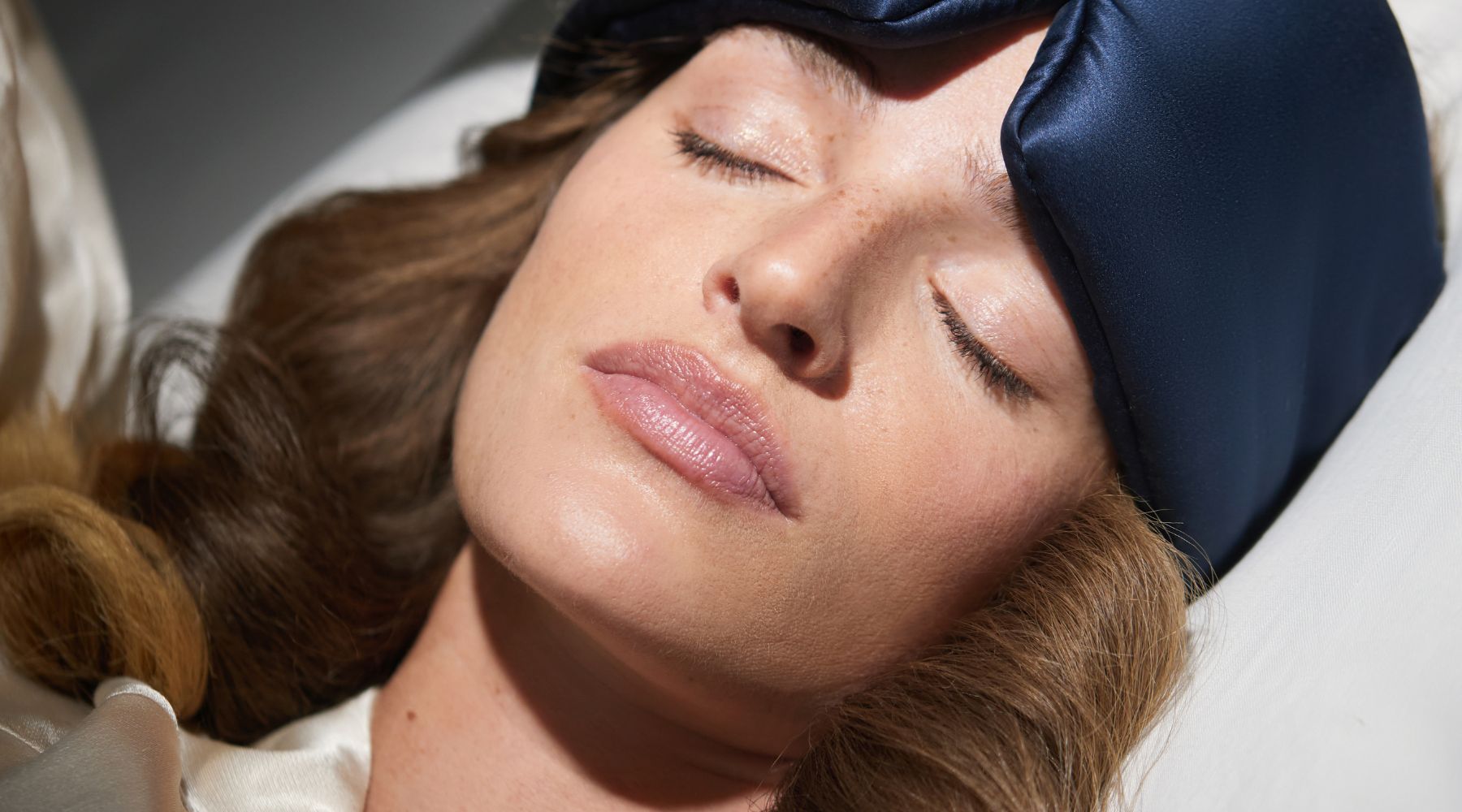
Make your bedroom as dark as possible. Use blackout curtains. Remove glowing displays from electronics and add silk sleep masks to your routine with a complete blackout design.
-
Keep the room cool. A cool temperature helps support better sleep quality.
-
Reduce noise. Noise and light distractions are the biggest sleep disrupters.
-
Make your bed comfortable. Invest in a silk pillowcase to create less friction compared to cotton and help minimise sleep lines while you sleep.

Build habits that help
-
Stick to consistent bed and wake-up hours. A regular sleep schedule trains your body to fall asleep more easily.
-
Avoid devices before bed. The blue light from cell phones and other electronics can interfere with your ability to fall asleep. Put them away an hour before bed.
-
Wind down with a quiet nighttime routine. Read, take a bath, or do another quiet activity.
-
Avoid lying awake in bed. If you can't fall asleep after 20 minutes, get up and do a calming activity.
-
Exercise regularly, but not right before bed. Physical activity helps support better sleep quality.
Support your skin when sleep is rough
Sometimes you just don't get enough sleep. When that happens, your skincare routine becomes important. After a poor night's sleep, cleanse gently and apply a hydrating hyaluronic acid serum. This can help plump up tired skin. Follow with moisturiser for your skin type.
Eye cream is worth using after insufficient sleep. Look for formulas that can help de-puff the eye area and address dark circles. Some find cooling eye masks helpful for puffy eyes. Keep one in the fridge.
Don't skip SPF. Sun exposure can worsen tired skin appearance and contribute to premature ageing. If skin conditions flare when you're tired, treat them gently. Sleep deprivation can affect how your skin behaves.
When to see someone
If you consistently struggle to fall asleep or stay asleep, talk to a healthcare provider. Chronic sleep issues affect more than appearance. A board-certified dermatologist can offer advice about persistent dark circles or fine lines. But often, improving sleep quality addresses these naturally.
The bottom line
What actually makes your skin look tired after too little sleep? It's visible changes when your body doesn't get rest. From dark circles and puffy eyes to dull skin and prominent lines, the effects show up clearly.
Most of it reverses when you prioritise beauty sleep. A full night's sleep in a quality sleep environment can help support how you look. Consistent sleep at consistent hours makes a real difference to your facial appearance.
You can't always control whether you get enough sleep – life happens, stress happens. But you can create conditions that make quality sleep more likely. Sort out noise and light distractions. Build a quiet nighttime routine. Avoid devices that emit blue light. Your face will thank you.
 United Kingdom (GBP)